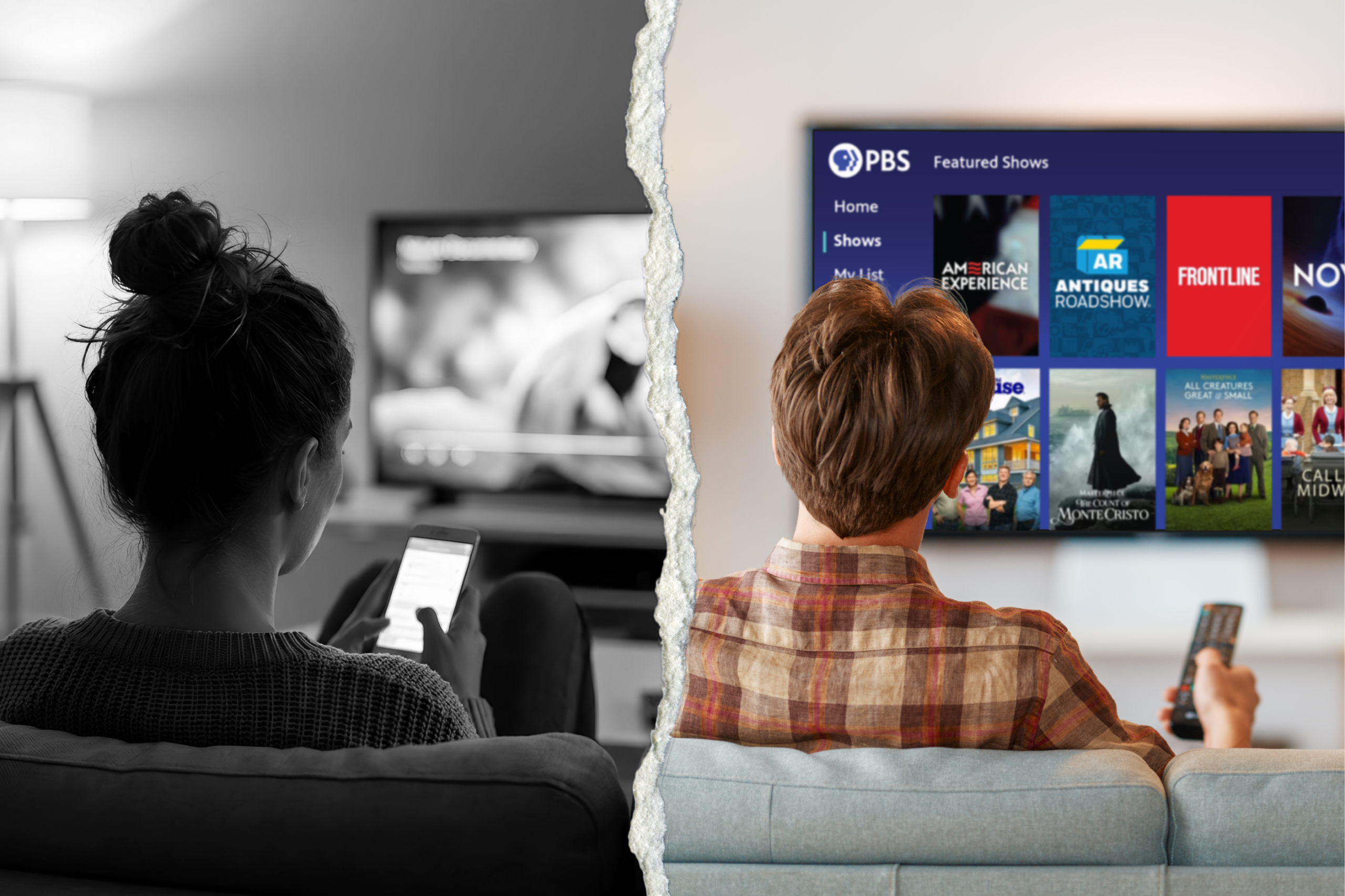
For advertisers today, the biggest obstacle isn’t finding audiences — it’s holding them.
Consumers are surrounded by screens, notifications, and competing content everywhere they look. Notifications are checked. Emails are answered. Social feeds are scrolled. This behavior, commonly referred to as second‑screen viewing, has reshaped how marketing teams plan and campaigns perform.
The result is a growing disconnect between ad delivery and ad impact. Messages may technically reach viewers, but they are not always seen, processed, or remembered. In many cases, advertising has become something that happens around people rather than to them.
The Cost of Divided Attention
Second‑screen viewing creates a serious problem for brands: reduced ad effectiveness. When attention is split, messages lose clarity and emotional resonance, brand recall declines, and brand lift weakens. Even premium placements can struggle to deliver results if viewers are only partially engaged.
This has led many advertisers to question long‑standing assumptions about reach and frequency. High impression counts don’t guarantee impact if audiences are distracted. In fact, the more cluttered the environment, the easier it is for ads to fade into the background. In response, brands are beginning to rethink where and how they show up.
What Brands Should Look for Now
To combat distraction, advertisers should prioritize quality of attention over quantity of impressions. The most effective media environments today share a few important characteristics: audiences choose the content intentionally, trust the platform delivering it, and ad breaks are short and not overrun by too many messages in a row.
In these environments, viewers are more focused and more likely to watch and engage with brand messages because they don’t feel intrusive or excessive. This shift has put renewed emphasis on media partners that deliver genuine viewer attention.
Where PBS Stands Apart
PBS offers one of the clearest examples of an attention‑first viewing environment. PBS viewers don’t tune in passively. They care about the platform and have intentionally chosen the programming because it is high-quality, educational, and engaging. That intentional viewing behavior translates directly into higher levels of focus. In fact, 83% of PBS viewers say they pay full attention while watching PBS, regardless of the platform they are on— a remarkable figure in today’s fragmented media landscape.
That attention carries over to sponsor messaging as well. Sixty‑four percent of viewers say they are more likely to pay attention to sponsor messages on PBS than to advertisements on commercial television networks or streaming platforms. By comparison, only 43% say the same for commercial cable networks, with attention levels falling even lower across other media options.
These differences matter. They illustrate that PBS reaches audiences who are present, receptive, and engaged in a way audiences on other networks are not.
A Meaningful Opportunity for Brands
Don’t waste your impressions – and money – on distracted audiences. Put your message on a platform that has its audience’s attention. Contact us to learn more about corporate sponsorship opportunities.